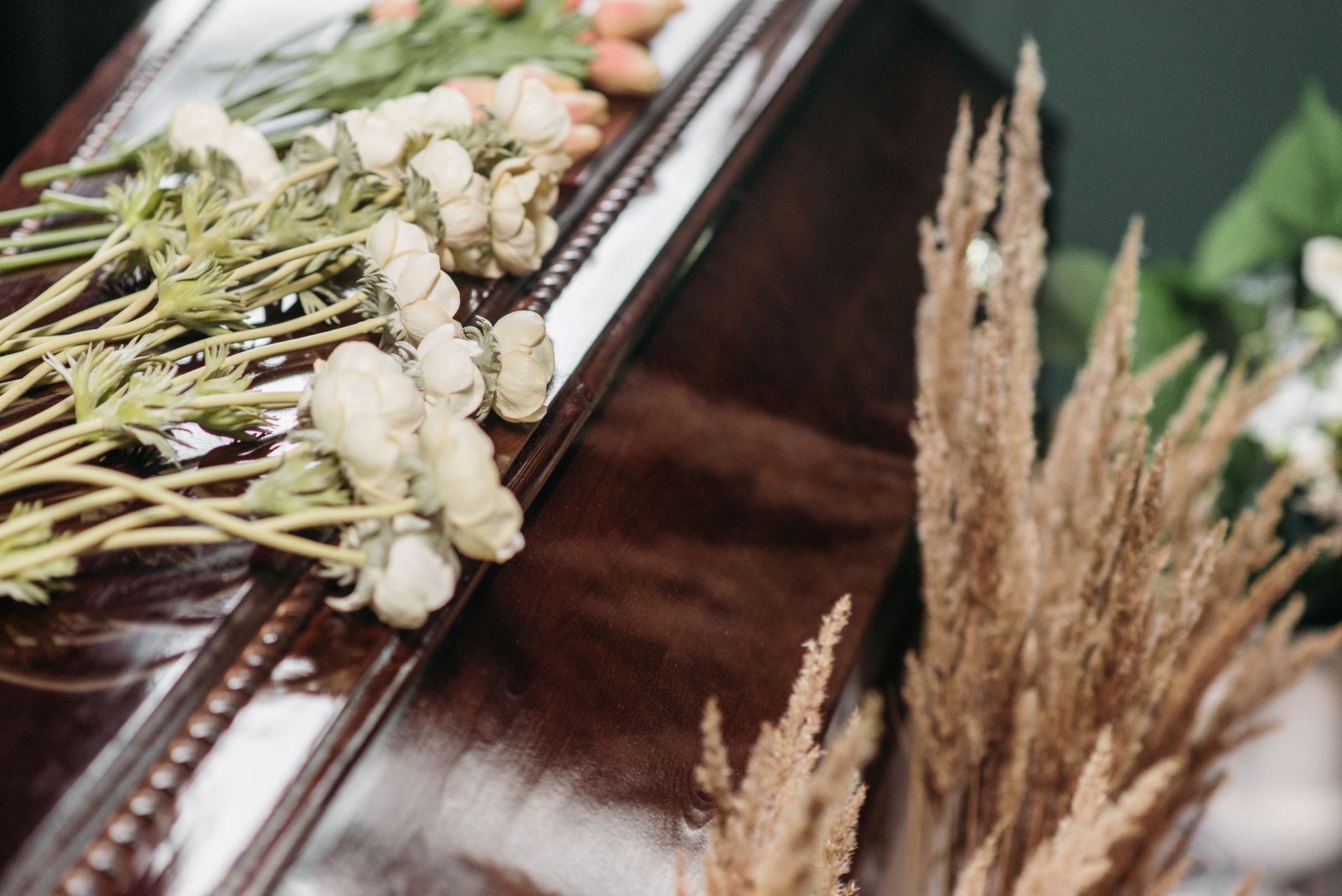
Material changes how a cremation container looks, how it feels in the hand, and how it fits into a room. A wooden box might resemble an object already familiar in the person’s home. A ceramic vessel may recall a favorite color. A metal design can be simple or highly decorative, while stone can create a more substantial presence.
Those impressions are useful, but they are only part of the decision. The same material can appear in very different constructions, finishes, and sizes. A polished metal vessel and a painted metal vessel may need different care. A solid wood product and a wood veneer product should not be assumed to have identical construction.
Compare the actual products being offered rather than deciding that one material is best in every situation. Start with the intended location, required capacity, and handling needs. Then consider which surface and shape feel appropriate for the person being remembered.
Begin with the place and purpose
A container for a living room shelf has different practical requirements from one intended for a cemetery niche or a scattering ceremony. Ask what the product will do before deciding which material you prefer. Otherwise, a favorite design may need to be ruled out after the family has become attached to it.
For home placement, consider the available space and whether the container will be moved often. For a niche, obtain the cemetery’s measurements and restrictions. For burial, ask what materials and enclosures the cemetery accepts. Keep these answers beside the product specifications.
If travel is involved, investigate that separately. The material that suits a permanent display may not be the best choice for the journey. Security screening and carrier rules can affect air travel, and a temporary transport container may be worth discussing with the funeral professional.
When comparing urns, make a shortlist that meets the practical requirements first. Within that shortlist, material becomes a meaningful preference rather than a decision based only on a polished photograph.
What to look for in a wooden design
Wood can suit a family that prefers a familiar furniture-like appearance. A rectangular design may sit comfortably among books or framed photographs, while carved or illustrated panels can create a more explicit memorial. The effect depends on the product’s form and finish as much as the wood itself.
Read the construction description carefully. Ask whether the item uses solid wood, veneer, engineered components, or a combination. These terms describe different constructions and should be clear in the listing. Avoid making assumptions from a species name appearing in the product title.
Natural grain and tone may vary. If matching an existing cabinet or family memorial matters, request additional photographs and ask what variation to expect. An exact match to furniture in a different room or lighting condition may not be realistic.
Check where the container opens. Some wooden designs use an access panel in the base rather than a top-opening lid. Ask how that panel is secured and who will handle filling. Keep the instructions so nobody later tries to remove a decorative panel that was not designed as an opening.
Personalization also needs product-specific confirmation. A flat wood surface does not automatically mean engraving is offered or suitable. The seller should explain the available method, the area that can be customized, and whether an added plate is an alternative. Review a proof if names or dates will be applied.
What to look for in a metal design
Metal products vary in both material and finish. A gold-colored surface does not by itself identify the underlying metal, and a silver-colored finish does not establish that the product is silver. Ask for the actual material description and how the decorative surface is created.
Look closely at the closure. A threaded lid, a fitted lid, and a separate sealing arrangement are different features. Ask how the specific model closes and whether it should remain accessible for the family’s plans. Do not assume that all similarly shaped vessels use the same mechanism.
Weight can be another point of comparison. If the family will move the container between a home and a service venue, check the listed empty weight and consider the complete packed item. Ask the seller for a weight figure if it is missing rather than estimating from the photograph.
Examine the finish in ordinary lighting where possible. Glossy, brushed, painted, and decorated surfaces create different impressions and may show handling marks differently. Additional close photographs can help you see whether a design looks understated or more reflective than expected.
Ask for cleaning instructions that apply to the finish. A product sold as metal should not automatically be treated with household metal polish. Its outer coating, painted detail, or inscription may require a different approach. The manufacturer’s instructions should guide any care routine.
What to look for in a ceramic design
Ceramic can offer a wide range of colors and forms. A family may choose it because the design resembles a piece the person would have enjoyed at home. Consider the full shape, including the base and lid, rather than selecting only from the color shown in a close-up image.
Ask whether variations in glaze or surface pattern are part of the product. If the item is individually finished, the delivered piece may differ from the example photograph. Clarify what can vary and whether the seller can show the actual piece before dispatch when that matters to the family.
Placement deserves care. Choose a stable surface where the vessel is unlikely to be knocked by a door, a pet, or routine household activity. The base should rest fully on the surface. Do not choose a location solely because it creates an attractive photograph.
Ask how the lid is intended to be secured. A decorative lid may be seated differently from a threaded metal closure. Tell the provider if the contents will need to remain accessible, and obtain instructions for the actual product before any sealing is done.
If the container must travel repeatedly, consider the practical packaging it will need. A protective outer box can reduce handling concerns, but the family still needs a workable plan for moving it. The material choice should fit the real use, including the days when it leaves its usual place.
What to look for in a stone design
Stone products can have a substantial appearance, but descriptions such as marble, natural stone, and cultured stone should be read precisely. Ask what the product is made from rather than assuming all stone-like surfaces are the same material.
Request photographs that show the pattern and finish at a useful scale. Natural variation can be part of the appeal, especially when the family likes a particular vein or movement in the surface. Clarify whether the pictured pattern is representative or belongs to one specific piece.
Check weight before deciding where the container will stand. The supporting furniture or shelf needs to be appropriate for the complete item. If the location has a stated weight limit, compare it with the relevant specifications and allow for everything else placed there.
Ask about the base, closure, and any protective pads supplied with the product. Those details matter when placing it on a finished wooden surface or moving it for a gathering. Follow the seller’s handling directions instead of lifting by a lid or decorative feature.
For cemetery placement, confirm that the material and dimensions are accepted. A solid appearance does not establish suitability for every burial arrangement or niche. The receiving cemetery should review the actual product information before the purchase becomes final.
Compare finishes as carefully as materials
Two products made from the same material may have very different care requirements because of their finishes. Ask whether the surface is coated, painted, stained, polished, or decorated with a separate image. Include any lettering or attached plate in the discussion.
Consider where light falls in the intended room. A highly reflective surface can look different beside a window than it does against a plain studio background. A matte surface may give a quieter effect, but the choice is personal rather than a measure of quality.
Look at the reverse and underside if photographs are available. These views can reveal the access panel, seams, or fittings that are absent from the main product image. If the container will be visible from several directions, ask whether the finish continues around the entire piece.
Keep cleaning simple until the manufacturer provides specific instructions. Do not test a product on the inscription or apply a protective coating without guidance. A surface that appears easy to polish may include a decorative layer that should remain untouched.
Evaluate construction without judging by price alone
A useful comparison includes the stated material, capacity, closure, finish, dimensions, and return terms. Those facts tell you more than an assumption that the most expensive item must be best for your situation.
Ask what is included with the purchase. A protective bag, presentation box, or matching keepsake may be useful, but confirm the exact contents for the selected model. A photograph showing accessories does not always establish that each item is part of the order.
Read any warranty in terms of what it actually covers. Materials, finishes, accidental damage, and handling may be treated differently. Ask about unclear wording before making the purchase rather than relying on a broad description such as lifetime quality.
If the family likes a less expensive design, evaluate it against the same practical requirements. A simple product with clear specifications may be a better fit than a more elaborate item that creates problems with weight, space, or access. The decision should be explainable without comparing how much different relatives are willing to spend.
Choose the combination that fits everyday reality
Bring the material choice back to the original purpose. Is the container the right size? Does it fit the destination? Can the person responsible for it handle and care for it as instructed? Is the design something the family feels comfortable keeping or placing where planned?
If those answers are clear, there is no need to keep searching for a universally superior material. Wood, metal, ceramic, and stone each offer different possibilities, and individual products deserve individual consideration.
Save the specifications and care instructions with the order. When the container arrives, inspect it before the transfer of the remains. A thoughtful material choice becomes a useful memorial when its appearance, construction, and practical role work together.